Menu




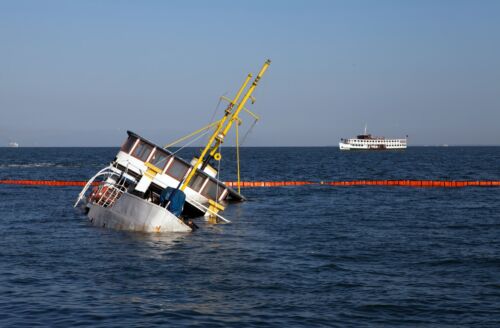
Losing a loved one in a maritime accident can be emotionally devastating and financially overwhelming. Enacted by Congress in 1920, the Death on the High Seas Act (DOHSA) is a federal law that allows the family members of a fatal maritime accident victim to seek compensation for their financial losses. It is a type of wrongful death claim specific only to deaths that occur due to negligence on the high seas. If you have lost a loved one in a maritime accident, it’s important to understand what the Act is, who is eligible to recover compensation, and what types of damages are available.
The Death on the High Seas Act is meant to ensure that family members can pursue financial compensation for the loss of a loved one when their death results from a negligent or reckless act on international waters. The Act does not apply to boating accidents that occur in state territorial waters. In order to be eligible for monetary recovery under DOHSA, the following criteria must be met:
Adhering to the above jurisdictional, procedural, and evidentiary requirements is the first step in establishing a valid claim under the Death on the High Seas Act. Critically, since the Act is highly nuanced, it’s important to consult with a knowledgeable attorney who can determine whether you satisfy the eligibility criteria.
While international waters are home to everything from massive cruise ships to oil rigs and small fishing vessels, the Death on the High Seas Act covers a wide range of accidents. The Act applies to fatalities in connection with maritime incidents such as:
It’s essential to be aware that while the law covers a broad scope of vessels and activities, there are certain exceptions. Notably, DOHSA generally does not cover fatalities arising from accidents on offshore drilling rigs, which are typically governed by the Outer Continental Shelf Act.
A Death on the High Seas Act claim can be filed by the personal representative of the victim’s estate on behalf of their surviving family members. This individual may be named in the victim’s will or appointed by a court. Dependent relatives who can recover as beneficiaries under the Act can include:
Other family members who relied on the victim for financial support may also be able to financially recover.
Only pecuniary damages are awarded in a claim brought under the Death on the High Seas Act. While the Act only allows for the recovery of monetary losses, family members are not compensated for their emotional damages, loss of affection, grief, or pain and suffering. Specifically, recoverable damages under DOHSA can include compensation for the following:
Significantly, if the victim meets the definition of a “seaman” who was killed during the course of their employment, the Jones Act may apply, allowing for a broader scope of damages than those that may be awarded in a DOHSA claim.
If you lost a loved one in a maritime accident, it’s crucial to have a personal injury attorney by your side who understands the nuances of the Death on the High Seas Act. Proudly serving accident victims in Anchorage, Soldotna, Kenai, Palmer, Fairbanks, Juneau, Wasilla, and other areas of Alaska, The Trial Guy, Eric Derleth, provides trusted representation for clients facing a wide range of personal injury matters, including those involving accidents on the water. Call 907-262-9164 to schedule a free consultation at our Anchorage or Soldotna office, or contact us online. Our phone lines are open 24 hours a day, seven days a week.

© 2026 Eric Derleth - Trial Lawyer, Inc.|Legal Disclaimer|Privacy Policy