Menu




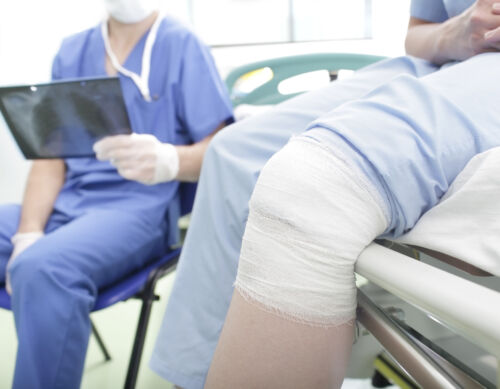
Accidents that require surgery can be devastating and life-altering. Not only might the injuries you sustained in an accident affect your daily life, but they can also result in substantial medical bills, time lost from work, and ongoing treatment. In addition, when surgery is needed for an accident-related injury, the value of any personal injury claim you might have against the negligent party may increase. Because of the high costs and serious nature of these injuries, it is essential to understand which ones commonly lead to surgical intervention.
The following are some of the most common types of injuries that require surgery after an accident caused by negligence:
Whether you slipped and fell on a hazardous substance or struck your head on a hard surface during a car crash, serious head and brain injuries often require surgical intervention. Surgery may be needed to relieve pressure on the brain or repair damage caused by bleeding. Although many mild concussions may heal with rest, surgery can be a life-saving measure in cases involving severe brain swelling, depressed skull fractures, and hematoma. Since head and brain injuries can have long-lasting effects, compensation in these cases reflects not only the immediate medical and surgical costs, but any future treatment is also taken into account, along with the ongoing pain and suffering associated with the injuries.
Spinal cord injuries are commonly sustained in motor vehicle accidents, falls, and workplace accidents. When there is severe structural damage to the vertebrae, discs, or ligaments, surgery may be required to stabilize the spine, remove objects that press on the nerves, and relieve spinal cord compression. Spinal cord procedures commonly include spinal decompression to remove bone fragments or blood clots, spinal fusion to ensure the injury heals into a single bone, and open reduction to realign displaced bones.
If bones were broken in an accident, and the injury is too severe for the bones to heal correctly on their own, surgery may be recommended. Typically, surgical repair is needed to facilitate healing in cases involving femur fractures, shoulder fractures, and hip fractures. Procedures may involve the use of metal plates, screws, rods, or pins to stabilize the bone, resulting in limited mobility, physical rehabilitation, and a lengthy recovery. Not only can serious broken bones and fractures reduce a victim’s earning capacity, but it can also lead to ongoing chronic pain and loss of enjoyment of life.
Ruptured and herniated discs are some of the most common injuries suffered in negligence-related accidents that require surgery. These injuries are caused by sudden trauma, high-impact force, or twisting of the spine, such as in a car accident. Doctors may recommend non-surgical procedures first for disc injuries, such as injections, medications, and physical therapy. However, when symptoms do not improve or worsen, surgery may be needed to prevent permanent nerve damage.
The compensation awarded for knee injuries in a personal injury case can be significant, depending upon the severity of the damage and whether surgery is needed. Critically, even a moderate knee injury can interfere with walking, standing, driving, and working. Often sustained in motor vehicle accidents, falls, pedestrian accidents, and motorcycle crashes, knee injuries often require extensive diagnostic testing, physical therapy, and surgical intervention, followed by lengthy recovery periods.
Knee injuries that are commonly treated with surgery can include:
A knee injury can have permanent consequences, even with surgery. A victim may be unable to return to their previous job or participate in the activities they once enjoyed. Monetary recovery in a personal injury action may account for both the economic and non-economic damages associated with the knee injury.
Internal organ damage is a serious condition after an accident that requires surgery as an emergency measure. The liver, spleen, intestines, bowels, kidneys, and lungs can all be torn, punctured, or ruptured in a high impact car accident. Because these types of injuries are not always visible or readily apparent, symptoms can be delayed and become life-threatening if left untreated. Seeking medical attention promptly after an accident is vital to prevent complications, infection, organ failure, and long-term disability resulting from internal organ damage.
Dog attacks are some of the most common accidents that require surgery. These accidents can involve puncture wounds, lacerations, crush injuries, and infection if not treated. After suffering serious dog bite injuries, reconstructive surgery may be necessary to restore a victim’s appearance or repair torn tissue and muscles. Compensation in a personal injury action for a dog bite injury can include medical expenses and the costs of surgery, as well as monetary recovery for emotional distress and permanent scarring.
If you’ve suffered an injury in an accident caused by someone else’s negligence that requires surgery, you may be entitled to compensation by filing a personal injury lawsuit. Proudly serving accident victims in Anchorage, Soldotna, Kenai, Palmer, Fairbanks, Juneau, Wasilla, and other areas of Alaska, The Trial Guy, Eric Derleth, provides diligent representation for clients facing a wide range of personal injury matters, including those involving accidents that require surgery. Call 907-262-9164 to schedule a free consultation at our Anchorage or Soldotna office, or contact us online. Our phone lines are open 24 hours a day, seven days a week.
© 2026 Eric Derleth - Trial Lawyer, Inc.|Legal Disclaimer|Privacy Policy